Discover the Harmony of Taste with Our Premium Matcha!
Sourced from the highest quality leaves, our matcha delights with its fresh taste and intensity, providing you with natural energy and refreshment.
First Flush vs. Second Flush Matcha
If you drink matcha tea often, you have probably encountered the terms "first flush" and "second flush" (ichibancha or nibancha), and the price of first flush tea is significantly higher. If you are not sure why, let me explain below.
Why is first flush matcha better?
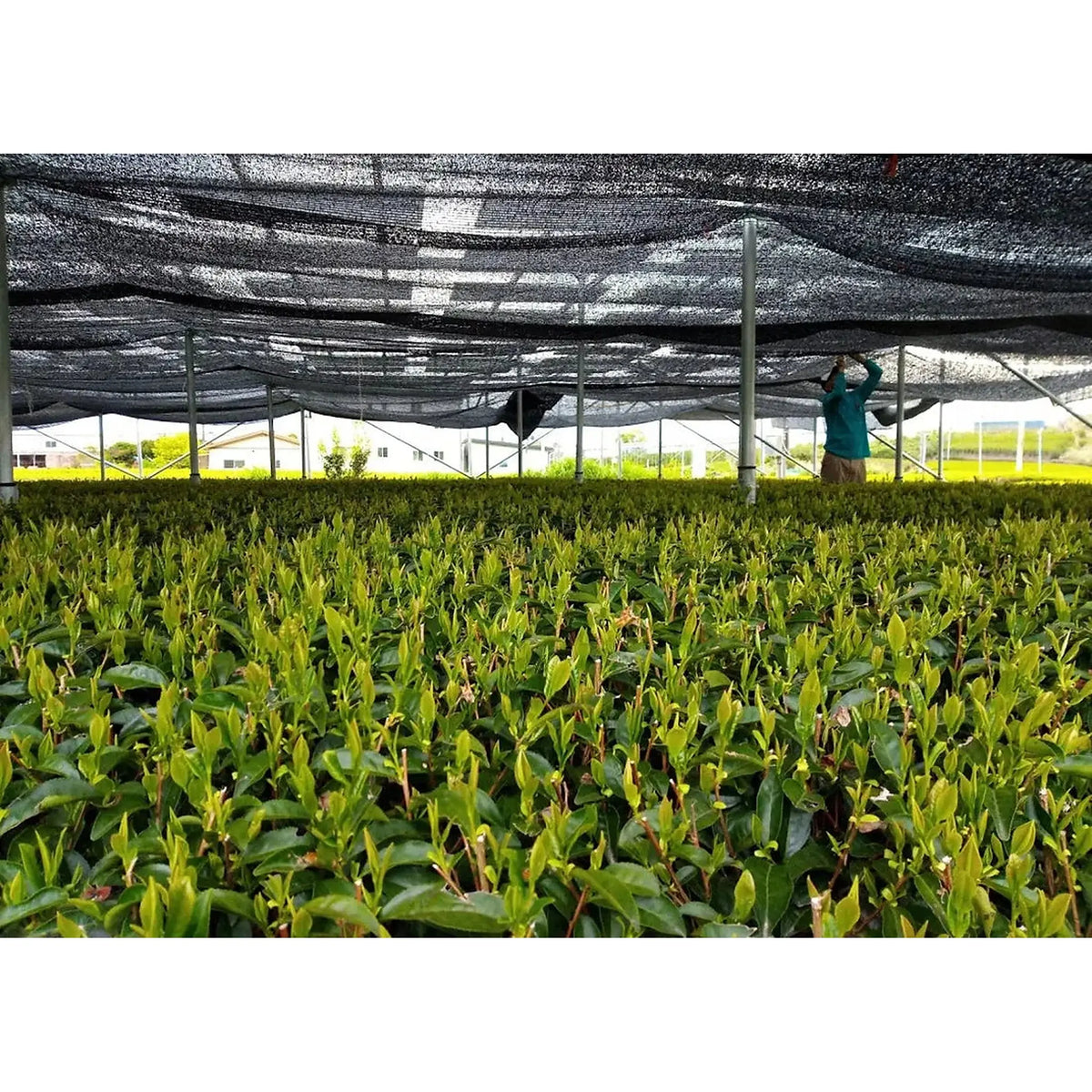
During winter, tea buds hibernate for several months, waiting for the arrival of spring. During this time, they accumulate all the valuable nutrients, which makes them exceptionally rich and full of flavor.
As the well-known proverb says: "Quality takes time." First flush tea leaves grow slowly in cold conditions, drawing the best from nature over a longer period. As a result, first harvest matcha is unrivaled in terms of quality and taste, offering more intense sensations for true connoisseurs.
Why is first flush tea better?
L-theanine is a key source of umami, the vegetal sweetness that defines the quality and character of matcha. First harvest matcha contains three times more L-theanine than second harvest tea. In later harvests, such as the third and fourth, the L-theanine content is even lower. Additionally, the first harvest accumulates the highest amount of nutrients in the leaves.
If you have ever tried very bitter matcha, it probably wasn't a first harvest tea. Bitterness is not synonymous with the taste of matcha; high-quality matcha has an intense, full flavor with minimal bitterness, which means you don't need to add sugar to balance the taste.
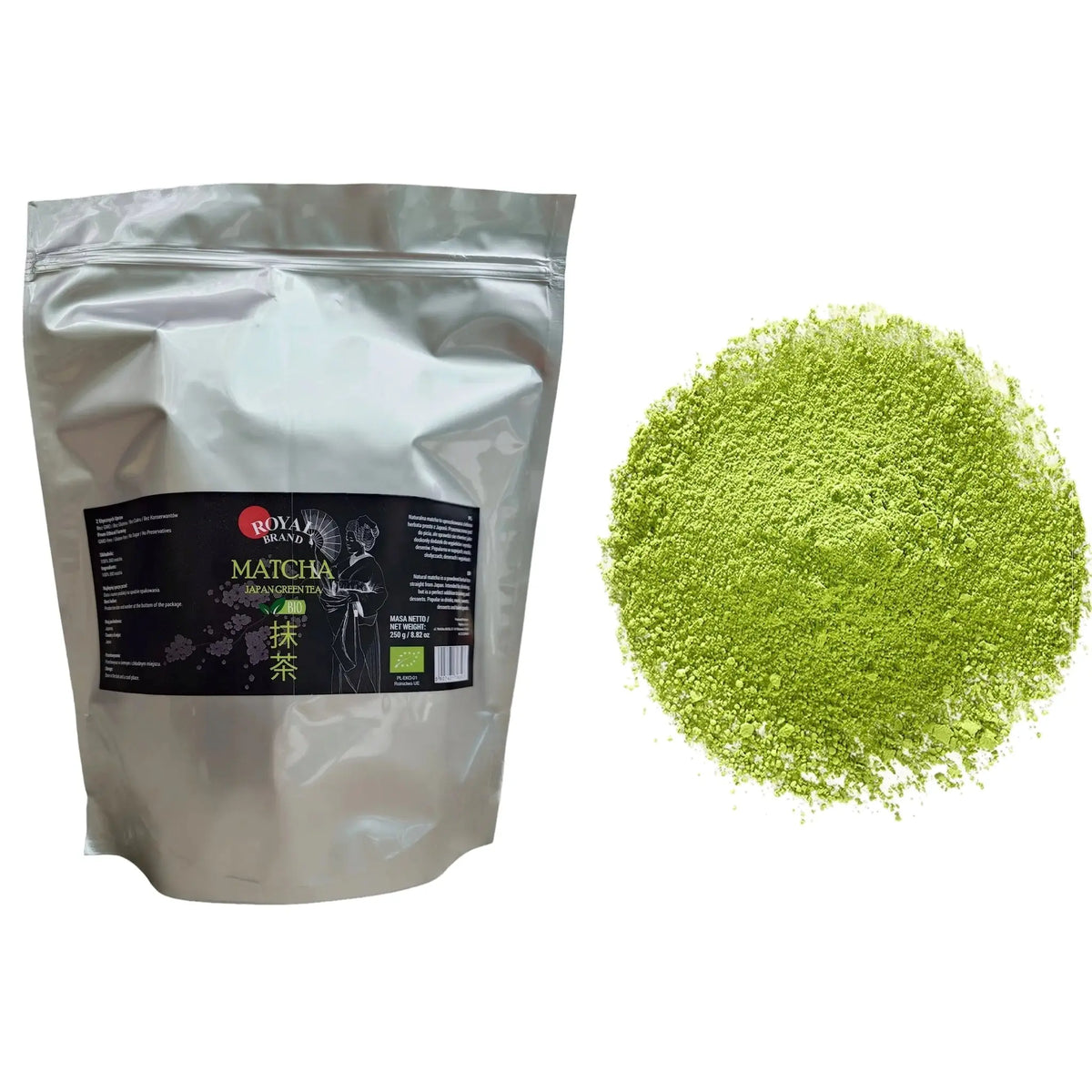
In this listing, we have matcha that consists of the first harvest with the addition of the second. It is perfect for preparing matcha latte, drinking it with sugar, or preparing it in any other way. If you mix our matcha with something other than just water, this version is for you as you will not see the difference between this and 100% first harvest. However, if you want to drink it with water alone, the bitterness will be noticeable. It works great if you are just starting your journey with matcha.
How to recognize good matcha?
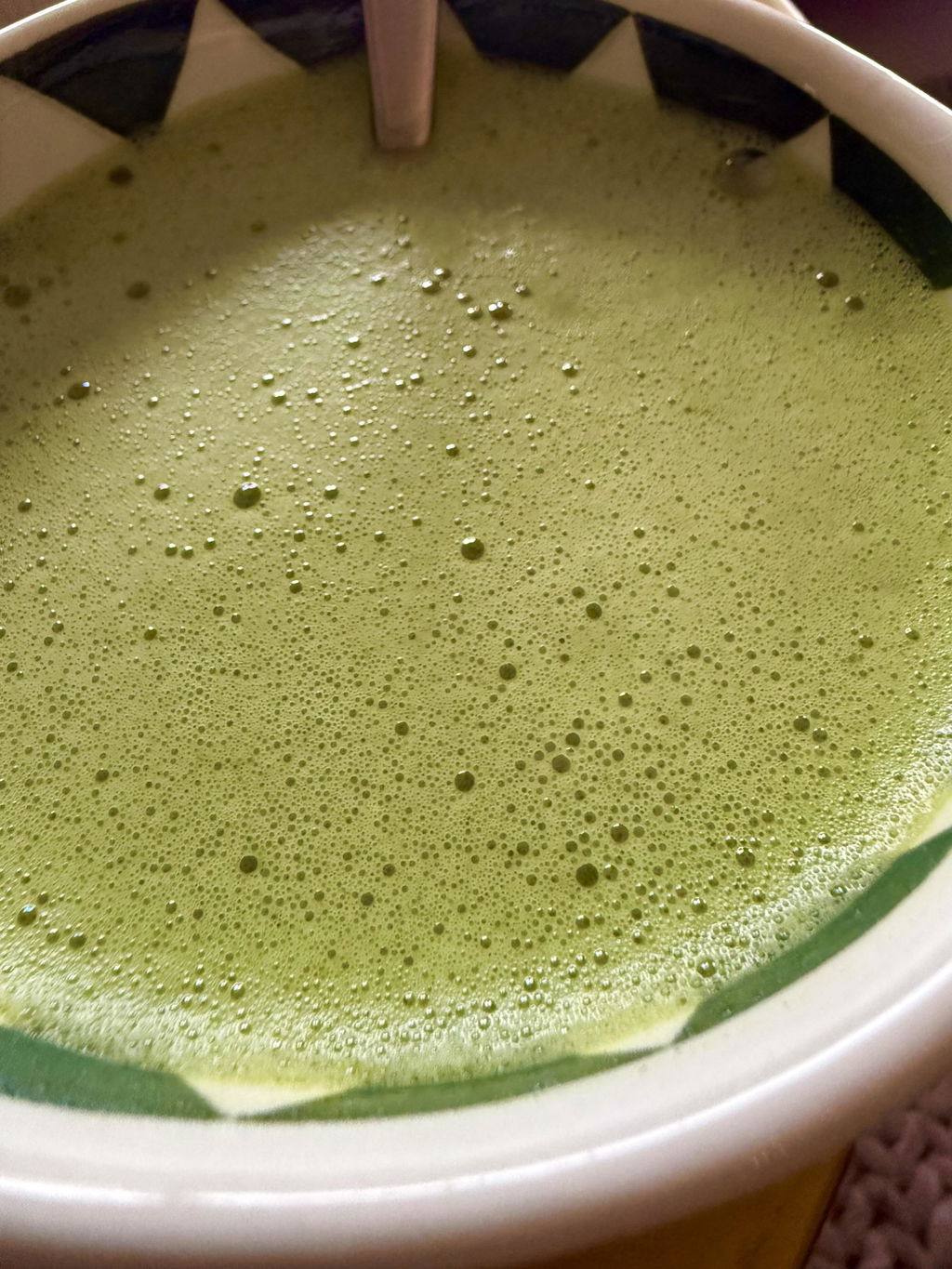
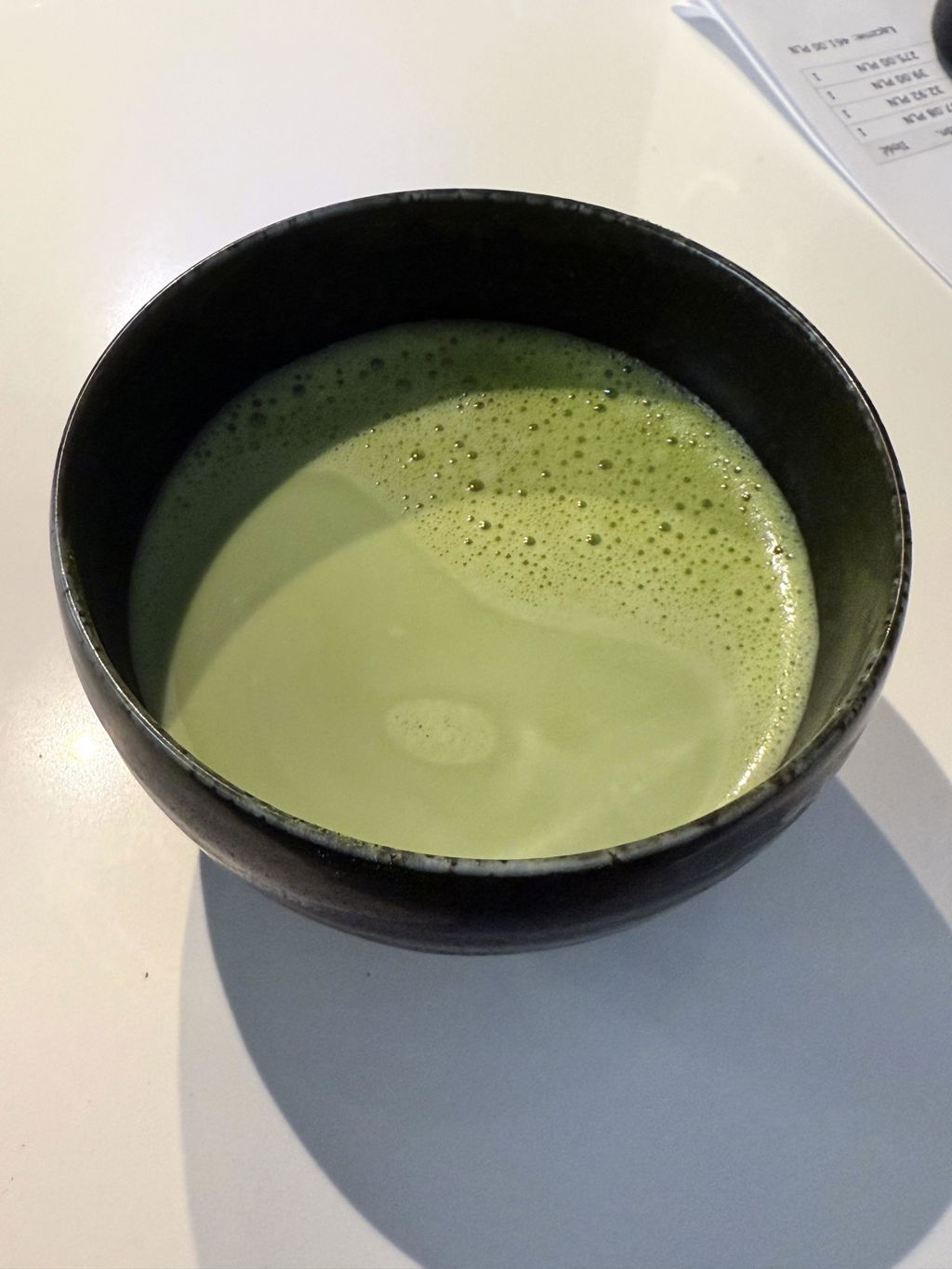
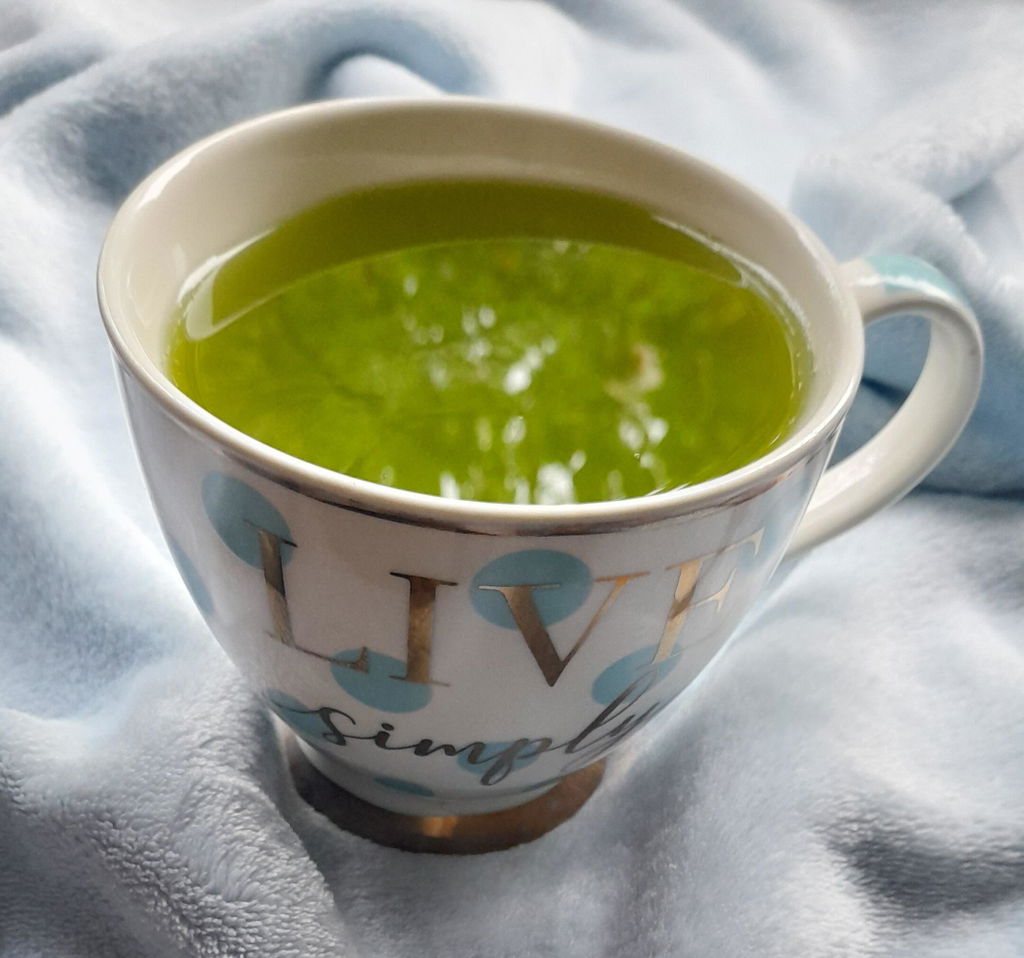
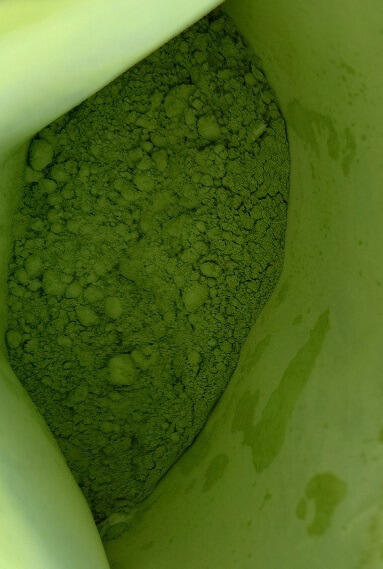
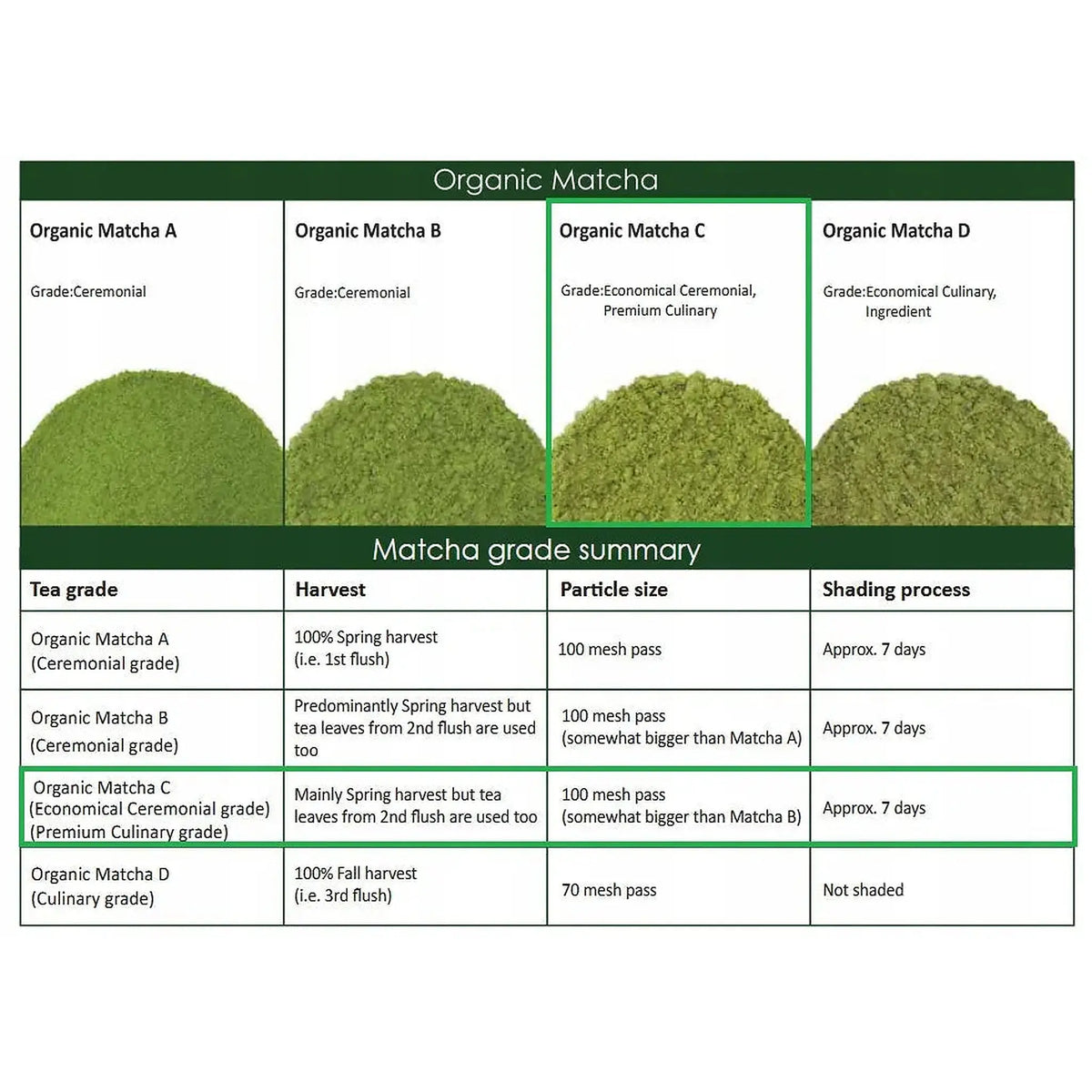
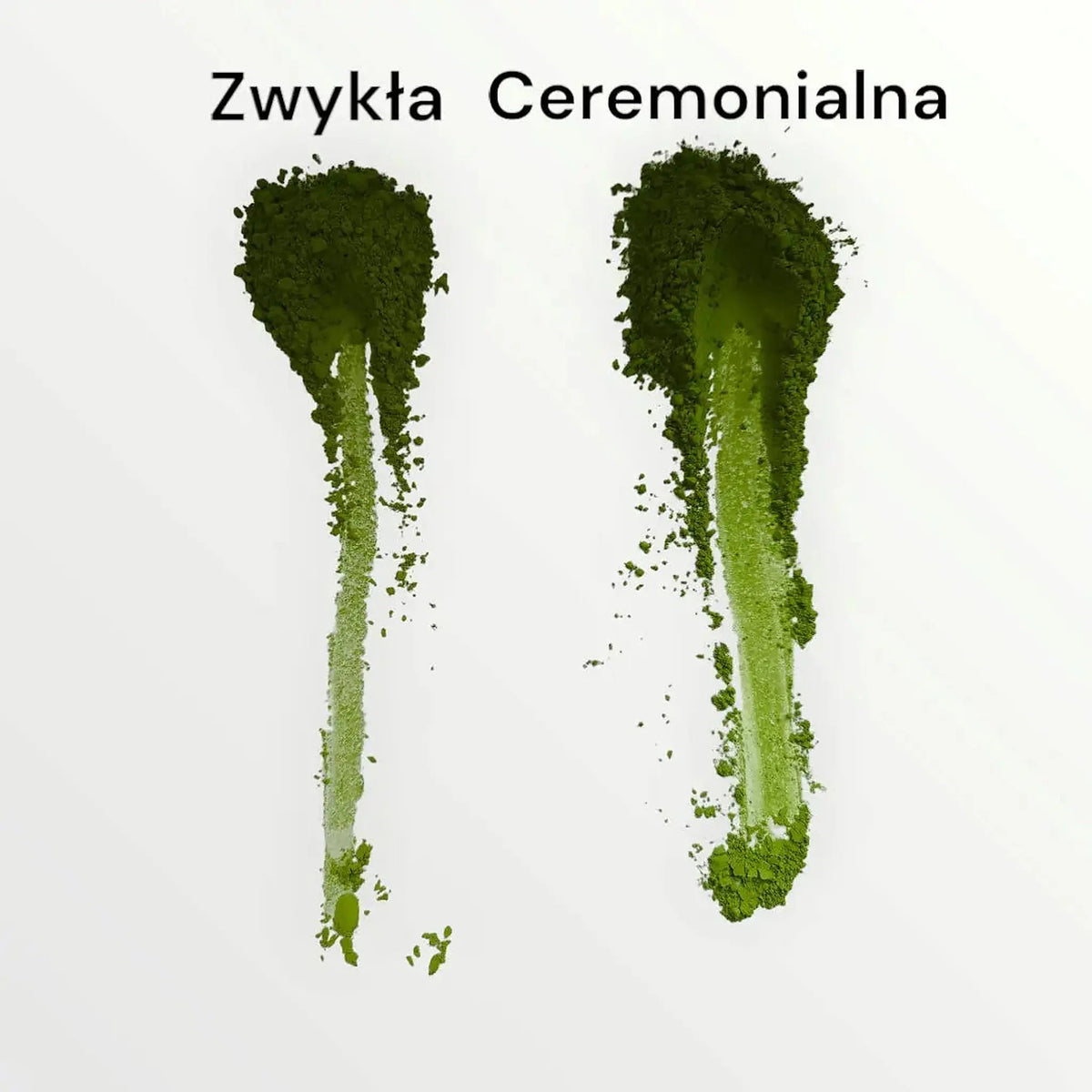
We recognize good matcha mainly by its color. It must be intensely green, because the higher up and the younger the leaves were, the more chlorophyll they have, which is responsible for the intense green color. Leaves growing lower down are yellower because they have less light. Therefore, the more intensely green the matcha is, the better the leaves used for its production, and the more yellow it is, the older and from lower parts of the plant they are. In this listing, we offer an economical ceremonial matcha marked with a green color in the frame below.