Jako dodatek do zimowej herbaty.
Do wypieków extra .
Royal Brand
Couldn't load pickup availability
Dobry produkt
Jako dodatek do zimowej herbaty.
Do wypieków extra .
Duża ilość. Polecam.
Super jakość dodatkow do herbaty.Polecam!
ok.
Gwiazdki anyzowe są cudowne. Dziękuję.
Super produkty,polecam
Polecam
Super
Bardzo fajny sklep , polecam.
.
W porządku,
Wanilia zgodna z opisem
Ogolnie ok, tylko oakowanie na obrazku jest to torebka strunowa, a w rzeczywistości
zgrzana folia- pęknięta. Na szczęście łaski są świeże. Trzeba je od razu zabezpieczyć.
Super.polecam
Sklep oferuje wysokiej jakości przyprawy i składniki z szybką dostawą. Klienci chwalą produkty aromatyczne, profesjonalną obsługę i staranne opakowanie. Szeroki wybór w rozsądnych cenach. Większość kupujących zgłasza satysfakcję i poleca sklep. Zauważono niekt...
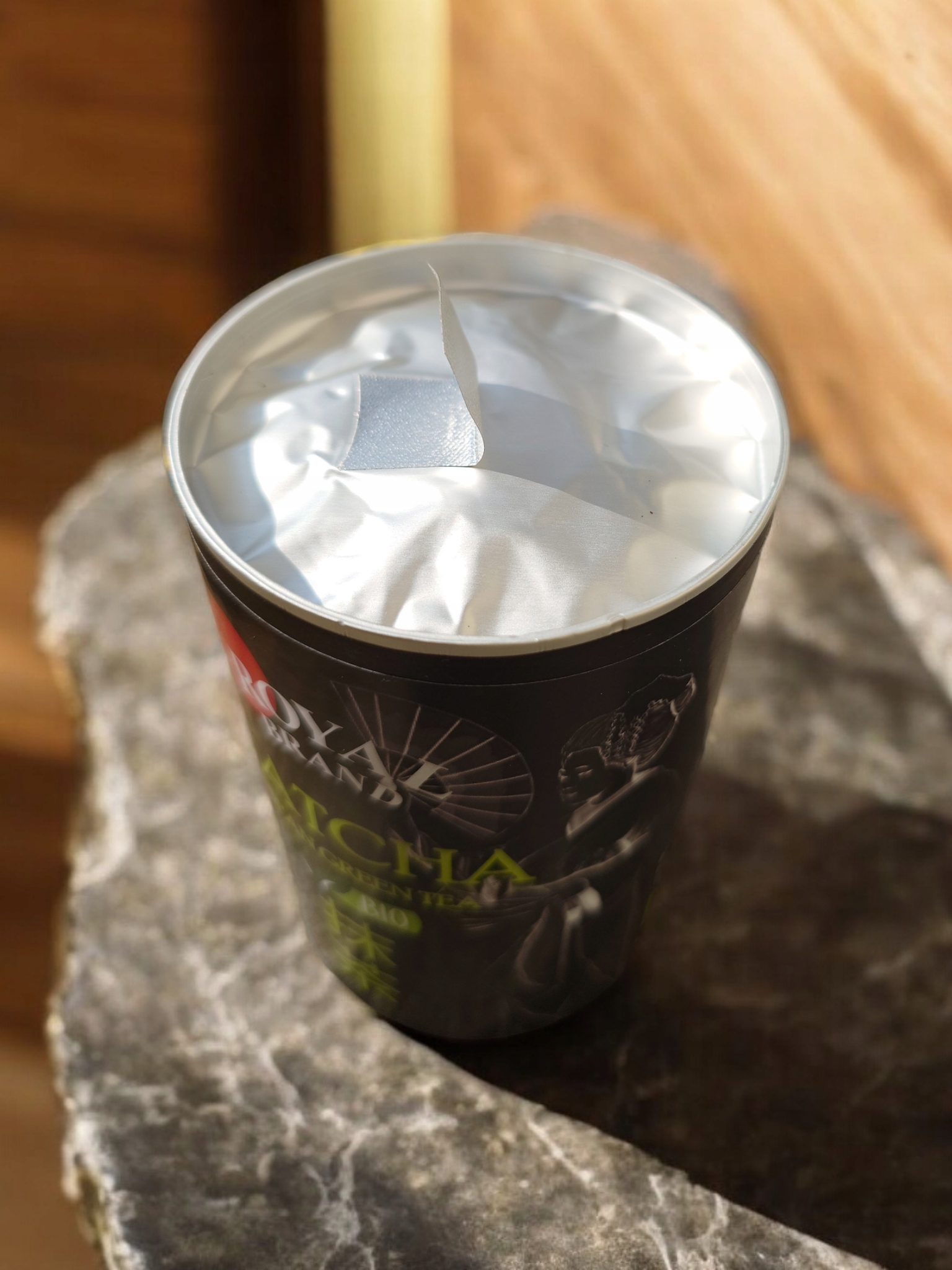
Discover our luxurious Royal Brand Matcha tea gift set, which will transport you to the world of the Japanese tea ceremony. This unique set contains everything necessary to prepare authentic matcha in the comfort of your own home. Packaged in an elegant box, the set is a perfect gift idea – ideal for gifting loved ones a touch of Japanese tradition and flavor.
What you will find in the set✅
Treat yourself or your loved ones to a moment of relaxation in the spirit of Japanese tradition!
Instructions:
Pour 250 ml of hot, but not boiling, water (approx. 70-80°C) over 1 teaspoon of tea, mix with quick movements until the powder is dissolved and a foam appears.
Discover the essence of Japanese tradition with tea from Kyoto prefecture! (description of regional differences at the bottom of the page)
Long shelf life guaranteed. Fresh delivery straight from Japan!
Ingredients:
100% BIO matcha
Country of origin:
Japan.
Grinding method:
Traditional Japanese stone mill ensuring the proper structure
Note! The product color may vary from the photos. It all depends on the annual harvest.
Long Shelf Life Guaranteed
Discover the Harmony of Flavor with Our Premium Matcha!
Sourced from the highest quality leaves, our matcha delights with its fresh taste and intensity, providing you with natural energy and invigoration.
First Flush vs Second Flush Matcha
If you often drink matcha tea, you have probably come across the terms "first-flush" and "second-flush" (ichibancha or nibancha), and the price of first-flush tea is significantly higher. If you are not sure why, let me explain below.
Why is first-flush matcha better✅
In winter, tea buds hibernate for several months, awaiting the arrival of spring. During this time, they accumulate all the valuable nutrients, which makes them exceptionally rich and full of flavor.
As the well-known proverb says: "Quality takes time." First-flush tea leaves grow slowly in cold conditions, drawing the best from nature over a longer period. Thanks to this, first-flush matcha is unmatched in terms of quality and taste, offering more intense experiences for true connoisseurs.
Why is first-flush tea better✅
L-theanine is a key source of umami, the vegetal sweetness that defines the quality and character of matcha. First-flush matcha contains three times more L-theanine than second-flush tea. In later harvests, such as the third and fourth, the L-theanine content is even lower. Additionally, the first harvest accumulates the greatest amount of nutrients in the leaves.
If you have ever tried very bitter matcha, it was probably not first-flush tea. Bitterness is not synonymous with the taste of matcha; high-quality matcha has an intense, full flavor with minimal bitterness, which means there is no need to add sugar to balance the taste.
In this auction, we have matcha that consists of the first harvest with the addition of the second. It is perfect for preparing matcha latte, drinking it with added sugar, or preparing it in any other way. If you mix our matcha with anything other than water, this version is for you because you will not see the difference between this and 100% first harvest. However, if you want to drink it with just water, the bitterness will be noticeable. It will work great if you are just starting your adventure with matcha.
How to recognize good matcha✅
Good matcha is mainly recognized by its color. It must be intensely green, because the higher up and the younger the leaves were, the more chlorophyll they have, which is responsible for the intense green color. Leaves growing lower down are more yellow because they have less light. Therefore, the more intensely green the matcha is, the better the leaves used for its production, and the more yellow it is, the older and lower down the plant it was sourced. In this auction, we offer ceremonial economical matcha, marked in green in the box below.

The second indicator of quality is consistency. The silkier the powder, the better. We can check this by rubbing the matcha on, for example, a white sheet of paper. The best matcha is usually ground for the longest time into the finest powder. Both of our types are ground on a traditional stone matcha mill, but you can still see the difference in the photo next to it between our ceremonial matcha and the ordinary one. Bad matcha will be completely brown and we will not be able to make a continuous line.
Bitter notes do not always mean poor quality because whether matcha has them depends on the region and the cultivation method. Of course, if the matcha cannot be drunk or if there is a fishy aftertaste in the matcha, it is an indicator of poor quality and a late harvest.
You can check any type of matcha with the scale below, which I encourage you to do. Matcha classes like: everyday, traditional, premium, luxury, etc., are invented for marketing purposes and tell us little about the product quality. In reality, the features I described decide the quality.
✅ Organic farming product ✅
✅ Matcha is not only a delicious tea, but also a source of valuable nutrients such as antioxidants and L-theanine, which support concentration, relax, and cleanse the body. ✅


⛩️✅ Straight from Japan ✅⛩️
Also ideal as a gift for lovers of a healthy lifestyle and Japanese culture!
Order now and experience the unique taste thanks to our Premium Matcha!

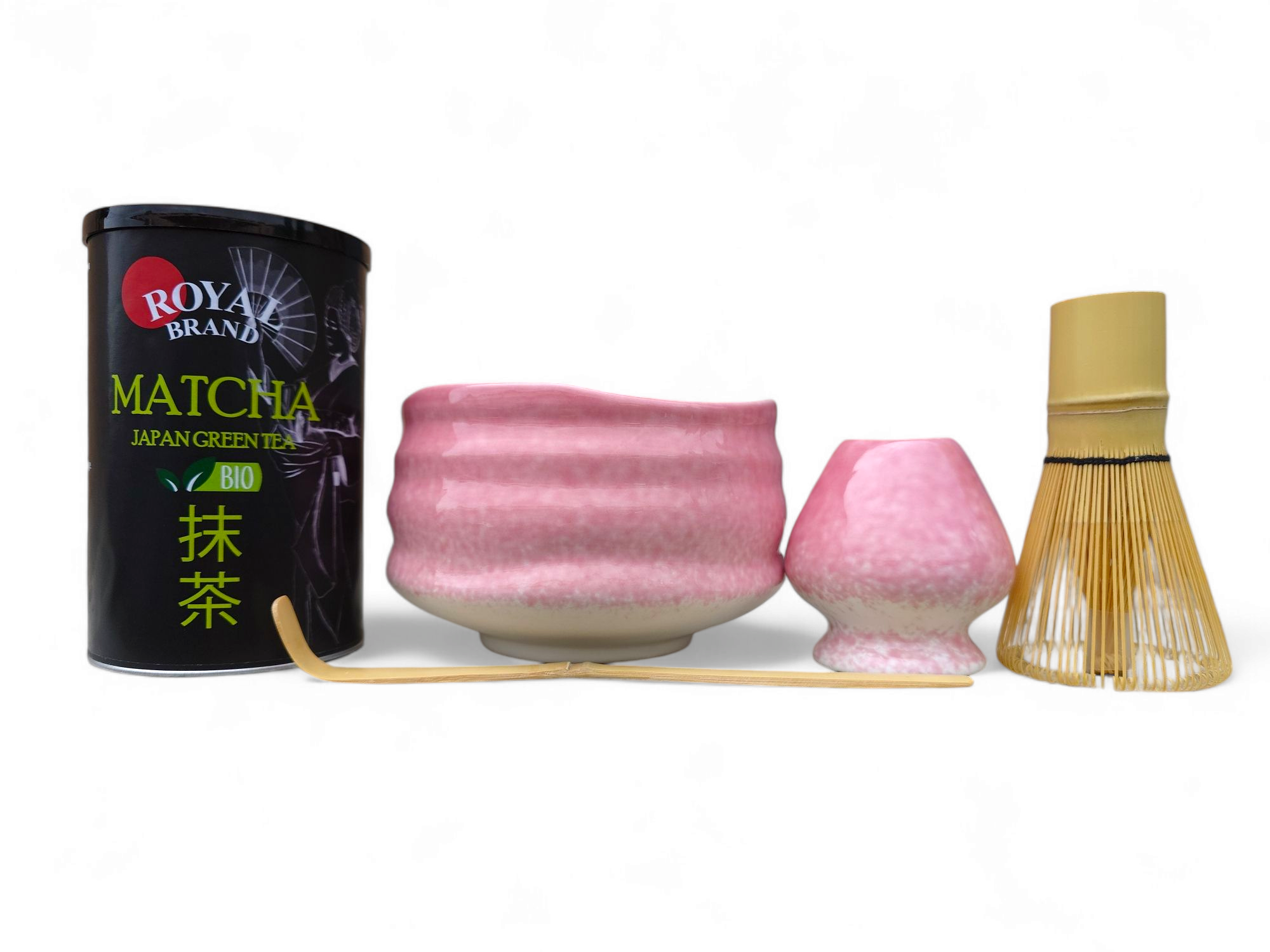
Royal Brand Matcha is not just green tea, it is a rich flavor and intense, stimulating aroma that will enliven your mornings and afternoons.
Add it to your favorite drink, smoothie, dessert, or dish to enjoy a unique taste.
Why choose Royal Brand Matcha ✅
✅ Royal Brand Matcha holds the Japanese JAS certificate. – You can be sure of the highest quality with zero pesticides.
✅ It also has a European organic certificate. This means that the tea is regularly tested for pesticide content.
✅ Thanks to this certification, the cultivation of this matcha is safe for the climate and nature.
✅ 100% organic matcha. Nothing else.


✅ Contains antioxidants, including highly effective EGCg – EGCg and other catechins counteract the effects of free radicals. They help protect the body from the effects of various pollutants, UV radiation, and chemicals that can lead to cell and DNA damage.
✅ Speeds up metabolism and helps burn calories – matcha helps speed up metabolism and take care of your figure.
✅ Adds energy and helps with concentration – matcha improves attention, memory, and reaction time. It also contains caffeine and L-theanine, which can improve brain function.
✅ Provides vitamin C, selenium, chromium, zinc, and magnesium.
✅ Lowers cholesterol (LDL) – Studies have shown that people who regularly drink matcha tea have lower levels of LDL cholesterol and higher levels of HDL cholesterol.
✅ Lowers blood sugar levels – green tea can cause a mild reduction in blood sugar levels. It may also lower the risk of type 2 diabetes.
✅ Matcha also fulfills many other important functions such as: slowing down aging, protecting the heart and liver.
✅ You can be sure that you are buying a product of the highest possible quality from enthusiasts who also love matcha and Japan!

✅ What is the JAS Certificate✅
✅ "The JAS organic certificate is the Japanese certification mark for organic products. A mark for agricultural products and processed foods produced on farms where no artificial fertilizers or agrochemicals were used for more than 3 years before harvest, and only organic fertilizers such as compost were used."
How do teas from different Japanese regions differ✅
"Color is Shizuoka, aroma is Uji, and taste is Sayama." These ancient words of a folk song from "Sayamacha Tsukuriuta" show us three regions in Japan where high-quality matcha is produced.
Shizuoka Tea: The pinnacle of Japanese green tea
Shizuoka is the true tea capital of Japan, from which 40% of the country's production of this drink comes. The history of tea cultivation in this region dates back to 1241, which makes Shizuoka not only the largest producer but also a place with a long and rich tea tradition.
Unparalleled climate, crystal clear water, and a strategic location near major ports make Shizuoka the heart of green tea in Japan. Tea plantations stretch along picturesque hillsides near Mount Fuji and along rivers, benefiting from the topographical and climatic diversity of the region.
Rich, volcanic soil and fresh water create ideal conditions for tea production. Differences in sunlight, temperature, and morning mists in various parts of Shizuoka contribute to the extraordinary variety of flavors and aromas of teas from this region. Shizuoka is a place where nature and tradition combine to create some of the best teas in the world. Whether it's rich tencha used for matcha, classic sencha, nutty genmaicha, or smoky hojicha, tea from Shizuoka offers a wide range of flavors and health benefits, including stress reduction and antioxidant properties.
Uji Tea: The essence of Kyoto
Famous for its exquisite quality, Uji tea, also known as Kyoto tea, comes from the picturesque village of Wazuka. This village is famous not only for its stunning tea plantations, such as Ishitera Harayama, Shirasu, and Erihara, but also for being recognized as one of the most beautiful villages in Japan in 2015. The rich history of Uji tea dates back to the Kamakura period in the 13th century and was valued as a luxury gift. Thanks to the proximity of the plantations to Kyoto, where the Emperor of Japan resided, matcha from Uji was often hosted on his table.
Sayama Tea: Saitama's hidden gem
On the border of Tokyo, on the Musashino plateau, Sayama tea, also known as Saitama tea, is developed. In the cool climate, it produces thick leaves that withstand winter frosts. The fertile soil of this region ensures sweet, aromatic tea, which has been enjoyed since the Heian period. Initially valued for its medicinal properties, Sayama tea now delights palates with various culinary treats, such as unique tempura green tea leaves.

✅ The company P. H. Royal Brand sp. z o. o. is a Polish family business.
⚜️ The enterprise was founded in 1991. From that moment, it has been constantly working on fulfilling its mission to provide customers with the highest quality products from around the world.

✅ The company has developed many of its own patents and patented utility models.
✅✅ Since 2015, it has been a member of the Polska Ekologia association.
✅ Royal Brand holds Certificate of Conformity no.: PL-EKO-01-008913.
⚗️ In 2019, the company made an investment by adding a laboratory dedicated to the production of herbal extracts and pastes to the facility.


Pandan is an ingredient that is appearing more and more in Polish kitchens, especially where a delicate aroma and an interesting effect in desserts are important. Pandan leaves or extract...
Pandan is an ingredient that is appearing more and more in Polish kitchens, especially where a delicate aroma and an interesting effect in desserts are important. Pandan leaves or extract...

Pandan is an ingredient that is appearing more and more in conversations about Asian cuisine, but for many people it remains a mystery. In practice, it is a tropical plant...
Pandan is an ingredient that is appearing more and more in conversations about Asian cuisine, but for many people it remains a mystery. In practice, it is a tropical plant...

Pandan is a tropical plant prized primarily for its aromatic leaves, which play an important role in Asian cuisine and in the home cultivation of exotic plants. The species pandanus...
Pandan is a tropical plant prized primarily for its aromatic leaves, which play an important role in Asian cuisine and in the home cultivation of exotic plants. The species pandanus...

Vegetarian bolognese is a great answer to a craving for a filling spaghetti sauce without the use of meat. Well-made, it combines the sweetness of vegetables, an expressive tomato sauce,...
Vegetarian bolognese is a great answer to a craving for a filling spaghetti sauce without the use of meat. Well-made, it combines the sweetness of vegetables, an expressive tomato sauce,...

Spaghetti bolognese is one of those dishes that seems simple, but in practice, rewards patience. In home cooking, the most important things are good ingredients, a well-built sauce, and the...
Spaghetti bolognese is one of those dishes that seems simple, but in practice, rewards patience. In home cooking, the most important things are good ingredients, a well-built sauce, and the...

Bruschetta with grilled zucchini works well when you need a quick appetizer that doesn't feel haphazard. Crispy bread, fresh toppings, and a light, vegetable base create an elegant effect that...
Bruschetta with grilled zucchini works well when you need a quick appetizer that doesn't feel haphazard. Crispy bread, fresh toppings, and a light, vegetable base create an elegant effect that...