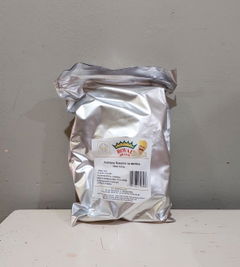
✅ Used for centuries during traditional tea ceremonies in Japan, this is the highest grade of matcha available.
This variety is produced from the first harvest. The tea leaves are the youngest and least exposed to sunlight, which increases the chlorophyll content. Ceremonial Matcha powder therefore has the most vibrant shade of green among the different varieties.
The stems and veins are removed before grinding the leaves into powder. Therefore, the Matcha produced through this process naturally has a delicate texture and a sweet taste.
Thicker than other varieties of matcha, it froths beautifully. It is smooth in taste with a light hint of sweetness - perfect for tea ceremonies.
✅ Ceremonial Matcha should be consumed in its original form to fully experience the taste of the best variety of this tea.
First Harvest (First Flush) vs Second Harvest (Second Flush) Matcha
If you drink matcha tea often, you have probably encountered the terms "first-flush" and "second flush" (ichibancha or nibancha), and the price of first-flush tea is significantly higher. If you are not sure why, let me explain below.
Why is first-flush matcha better?
In winter, the tea buds hibernate for several months, waiting for spring to arrive. During this time, they accumulate all the valuable nutrients, making them exceptionally rich and full-flavored.
As the saying goes: "Quality takes time". First-flush tea leaves grow slowly in cold conditions, drawing the best from nature over a longer period. Thanks to this, first-harvest matcha is unmatched in quality and taste, offering a more intense experience for true connoisseurs.
Why is first-flush tea better?
L-theanine is a key source of umami, the plant-based sweetness that defines the quality and character of matcha. First-harvest matcha contains three times more L-theanine than second-harvest tea. In later harvests, such as the third and fourth, the L-theanine content is even lower. Additionally, the first harvest accumulates the greatest amount of nutrients in the leaves.
If you have ever tried very bitter matcha, it probably was not first-harvest tea. Bitterness is not synonymous with the taste of matcha; high-quality matcha has an intense, full flavor with minimal bitterness, so you do not need to add sugar to balance the taste.
For both its taste qualities and health benefits, it is worth choosing only first-harvest matcha. Only such matcha can be considered true ceremonial matcha, which is consumed exclusively with water. To meet the growing demand, many farmers produce matcha from later harvests, but only first-flush matcha guarantees the highest quality and authenticity.
How to recognize good matcha?
We recognize good matcha mainly by its color. It must be intensely green, because the higher and younger the leaves were, the more chlorophyll they have, which is responsible for the intense green color. Leaves growing lower down are more yellow because they receive less light. Therefore, the more intensely green the matcha is, the better the leaves used to produce it, and the more yellow, the older and lower the leaves from the plant. The classification of the types of matcha tea we offer is shown below. At this auction, we offer ceremonial matcha marked in green.